Masai Mara vs Serengeti: Which Is Better for Your 2026/27 Safari?
Ask anyone who has planned both and you will hear the same honest answer: there is no single winner in the Masai Mara vs Serengeti debate. They are two halves of one ecosystem — the Mara is the northern tip of the greater Serengeti plains — and they deliver two different styles of safari.
This guide compares them the way we actually discuss it with guests at our private villa inside the Mara ecosystem: cost, size, wildlife, the Great Migration, month-by-month timing, what travelers on Reddit keep saying, and when it makes sense to combine both. We host guests on the Kenyan side year-round, so where our firsthand experience ends and general knowledge begins, we say so.
Quick Answer: Which Should You Choose?
Short on time? Here is the version we give guests at the dinner table:
| If this sounds like you | Choose | Why |
|---|---|---|
| First-time safari | Masai Mara | Highest big-cat density in Africa plus easy access from Nairobi — you can land at midday and watch lions by evening |
| River crossings July–October | Masai Mara | The famous Mara River crossings happen on the Kenyan side at peak season |
| Big-cat photography on open plains | Either — edge to Serengeti | Both deliver; the Serengeti's endless short-grass plains mean more room and fewer vehicles per sighting |
| Tighter budget | Masai Mara | Shorter, cheaper transfers from Nairobi and lower total trip costs than a Tanzania northern-circuit itinerary |
| Combine both | Fly-in circuit | One trip across two countries — genuinely worth it if you have eight nights or more |
When the Masai Mara Is the Wrong Choice
Honesty is part of our job, so here is when we steer guests away from our own side:
- With seven nights or more and a hunger for vastness, the Mara's compact loops can start to feel small
- In the long rains (April–May) some dirt roads close up and transfers slow down
- If your dream is calving season or the Ndutu plains, your dates point to the Serengeti no matter what
In those cases we say so plainly — the other side will serve you better.
When the Serengeti Is the Wrong Choice
And for fairness, the Serengeti is not for everyone either:
- On fewer than four nights you will spend more time transferring than viewing
- Tight budgets erode quickly under the extra internal flights
- First-timers chasing maximum sightings per hour usually get more out of the Mara's density
Choose the side that fits your rhythm, not the more famous name.
The Difference Between Masai Mara and Serengeti at a Glance
The two reserves are neighbors, not rivals: the Mara is the northern reach of the Serengeti–Mara ecosystem, separated only by the Kenya–Tanzania border. Spelling first, since everyone asks — Google searches mostly use "Masai", while Kenyan officialdom and the Maasai community itself spell it "Maasai"; both names refer to the same reserve and the same people.
The headline difference is scale. The Maasai Mara National Reserve covers about 1,510 km² — small enough that three nights feel thorough. Serengeti National Park alone is roughly 14,750 km², nearly ten times larger, and the wider ecosystem is bigger still. Fees, crowds and logistics all flow from that size gap.
Masai Mara vs Serengeti: side by side
| Masai Mara (Kenya) | Serengeti (Tanzania) | |
|---|---|---|
| Size | ~1,510 km² | ~14,750 km² (park alone) |
| Access | 45-min flight or 5–6 hr road transfer from Nairobi | Fly-in from Kilimanjaro/Arusha, or long road legs |
| Park fees (adult/day) | US$100 low season (Jan–Jun), US$200 high season (Jul–Dec) | Roughly US$60–83 by season — confirm current TANAPA rates |
| Landscape | Rolling grassland, riverine acacia forest, compact loops | Vast plains, kopjes, woodlands, huge horizons |
| Crowds | Concentrated at migration hotspots Jul–Oct; conservancies spread visitors out | Fewer vehicles per sighting overall; central Seronera busiest in high season |
| Migration role | Jul–Oct stage: Mara River crossings | Nov–Jun stages: calving in the south, Grumeti crossings in May–Jun |
Cost Comparison: Mara vs Serengeti
Park entry is the one cost nobody escapes, so start there. Kenya publishes fixed rates: US$100 per adult day from January to June and US$200 from July to December (children aged 9–17 pay half, under-nines enter free). We keep the live breakdown, including the daylight-ticket rule, in our Maasai Mara park fees guide.
Tanzania prices Serengeti entry lower per day — roughly US$60–83 for adults depending on season — but most Serengeti itineraries add the Ngorongoro Conservation Area and longer transfer legs, so the trip often costs more, not less. Once vehicles, lodging and fees are counted, a realistic all-in day lands in a similar band on either side. Our full math is in how much a Maasai Mara safari really costs.
Park & conservation fees side by side
| Masai Mara (Kenya) | Serengeti (Tanzania) | |
|---|---|---|
| Adult, international | US$100 (Jan–Jun) / US$200 (Jul–Dec) | ≈ US$60–83 by season (check TANAPA) |
| Child, international | US$50; under 9 free | Reduced rate by season |
| Ticket validity | Per calendar day (daylight ticket rule) | 24 hours from entry |
| Community/conservancy fees | None inside the reserve; conservancies bundle their fee into camp pricing | Additional fees around Ngorongoro |
Where You Sleep: What Rates Really Look Like
Both sides span every level, and price bands overlap more than marketing suggests:
- Budget (both parks): simple camps from roughly $80–150 per person per night, usually outside park boundaries
- Mid-range: $200–400 pp/night — where private villas like ours sit, with meals and drives built around one group
- Luxury: $500–1,000+ pp/night in famous-name camps on either side
The real difference hides in what the rate includes. Kenyan camps commonly quote drives, fees and transfers bundled together; many Serengeti camps unbundle everything, so a cheaper headline rate can finish expensive. Compare totals, not nightly rates — our checklist lives in the hidden costs of safari.
Getting There — and What It Costs
Nairobi is the efficient gateway for the Mara: 45 minutes by light aircraft to an airstrip minutes from your camp, or a 5–6 hour road transfer for the budget-minded.
The Serengeti demands more: international arrivals route through Kilimanjaro or Arusha first, then another 1–2 hour bush flight (or a very long drive). Those extra legs are why similar-looking quotes differ by hundreds of dollars per person. Routes, seasons and costs for the Kenyan side are laid out in our getting here guide.
Wildlife & the Great Migration: Where and When
The two parks host one continuous movement: roughly 1.5 million wildebeest, 400,000 zebra and 200,000 gazelle tracking the rain in a clockwise loop. Calving peaks in January–February on the southern Serengeti plains around Ndutu; the herds push west for the Grumeti River crossings around May–June, reach the Mara River and the Kenyan side between July and October, then drift south again with the November short rains.
Resident wildlife never leaves, though: the Mara carries one of Africa's highest lion densities, and leopard, cheetah and elephant hold strong on both sides. The practical read: crossing-season photography favors the Mara July–October; open-plain predator variety favors the Serengeti in any month. Month-level detail is in our best time to visit guide and the Great Migration 2027 field guide, and we unpack the river logic step by step in the wildebeest migration guide.
Big Cats & Big Five: Density Notes
Both sides carry the Big Five, with one honest caveat: do not plan around rhino on either side — tiny, heavily protected numbers remain in each ecosystem.
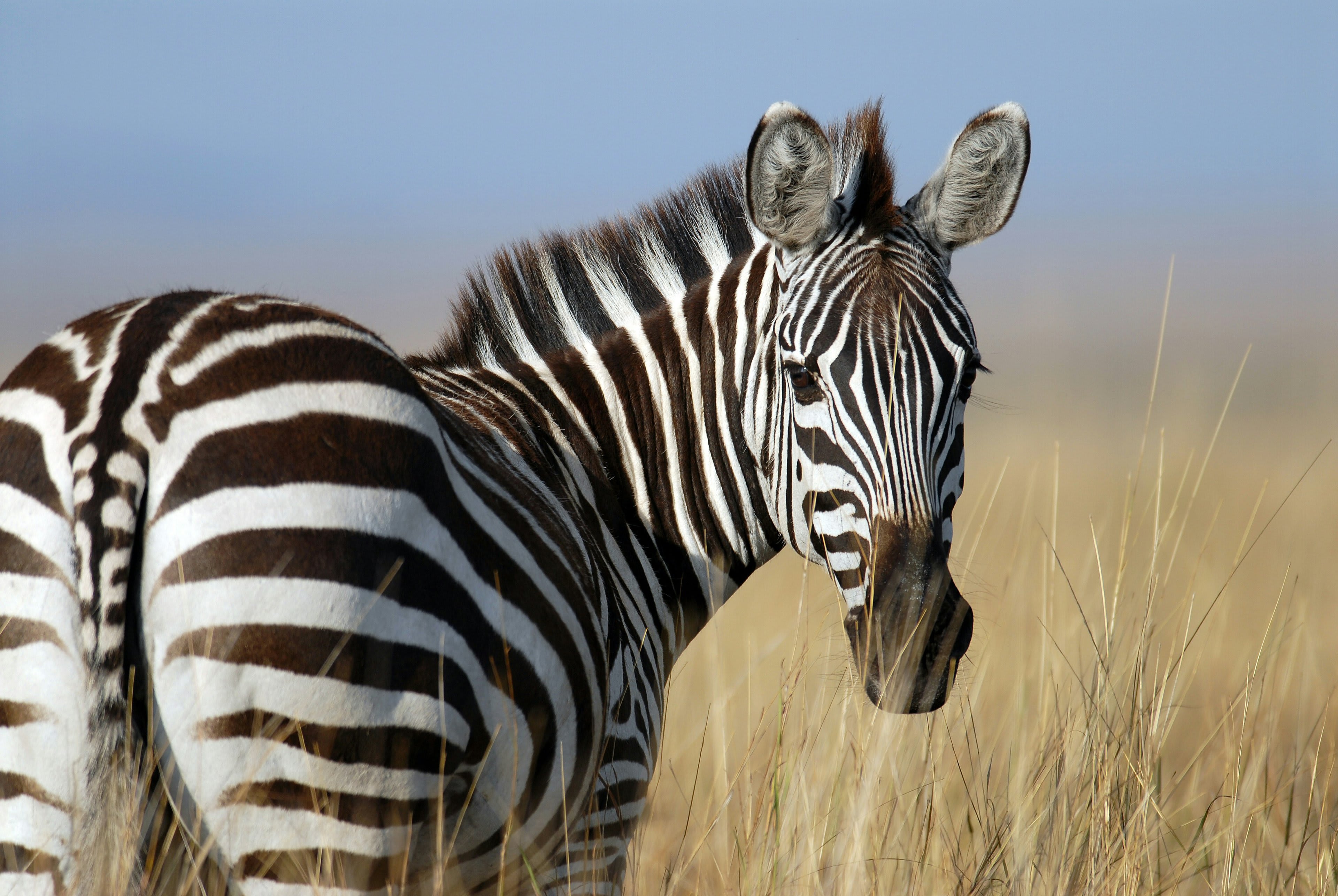
Lions come easily on the Mara thanks to open grassland and prey density; in the Serengeti they center on Seronera and the southern plains. Leopards keep their shy reputation everywhere — riverine acacia on the Mara and the kopjes of the Serengeti are your best bets. Cheetah need open ground to hunt and shine on the southern Tanzanian plains in green season. Elephant and buffalo are everyday company, with giraffe and hippo rounding out the cast. Our practical rule: three Mara nights usually bank the Big-Five photo; the Serengeti rewards patience with rarer moments rather than fuller checklists.
Month by Month: When Each Side Wins
The question that dominates our inbox: *is the Mara or the Serengeti better in [month]?* The migration loop answers most of it — whichever side the herds are standing on that month wins for migration, while resident cats keep both sides rewarding year-round:
Mara or Serengeti by month (2026/27 planning view)
| Month | Usually better for | Where the herds are |
|---|---|---|
| January | Serengeti — calving season builds | Southern Serengeti / Ndutu |
| February | Serengeti — calving peak, predator action | Southern Serengeti / Ndutu |
| March | Serengeti, early month | Southern plains, starting west |
| April | Value hunters — long rains, low rates | Western corridor movement |
| May | Serengeti — Grumeti buildup | Central/western Serengeti |
| June | Serengeti — Grumeti crossings; Mara green and quiet | Western corridor → north |
| July | Mara — herds arrive late month | Mara River, entering Kenya |
| August | Mara — river-crossing peak | Masai Mara / Mara River |
| September | Mara — crossings continue, thinner crowds | Masai Mara plains |
| October | Mara early month, then herds turn south | Mara → northern Serengeti |
| November | Serengeti — short rains, herds heading home | Northern/central Serengeti |
| December | Serengeti for herds; Mara for festive high season | Moving toward Ndutu |
Crossing Between the Two: Isebania/Sirari
You can drive between them — the Isebania (Kenya) / Sirari (Tanzania) border post sits between the western Mara and the western Serengeti. In practice it is a slow, paperwork-heavy day: rental vehicles rarely cross borders, so operators arrange handovers, and the connecting roads test patience.
Most combined trips fly instead: Nairobi → scheduled hop toward Migori with a ground transfer → Tarime/Serengeti airstrips, or simply booked bush flights on each side. Seasonal timings and route notes are in the getting here guide.
What Real Travelers Say (Reddit Roundup)
We read the recurring threads so you do not have to — search r/safari or r/travel and the same takes surface again and again:
- First-timers rarely regret choosing the Mara — density means short gaps between sightings
- The Serengeti feels wilder — bigger skies, fewer vehicles sharing a leopard
- Mara trips usually come out cheaper — shorter transfers dominate the bill
- Crossing hotspots crowd up July–September on both sides; private guides and conservancies are the standard workaround
- "You cannot really go wrong" appears in almost every thread — your dates matter more than the flag
- Combining both gets called the trip of a lifetime — when the budget allows
Threads churn, so we refresh this digest quarterly.
Why Not Both? Combining Mara + Serengeti
With eight nights or more, a two-country circuit is genuinely worth it: you see the same ecosystem twice, and the contrast — Kenya's compact intensity against Tanzania's expanse — is itself the luxury. The clean version flies throughout: land Nairobi, Mara nights, back to Nairobi, connect onward into the Serengeti by bush flight, finish via Kilimanjaro. Overland versions trade two flights for a long border day (see above).
Worth it when: your dates straddle the herds moving border-side (late June–early July, October), you are chasing varied terrain for photography, or this is a return safari. Skip it when: you have fewer than six nights — going deep on one side beats rushing both. Timing the bigger trip? Start with our 2026/2027 safari planner.
A Sample 8-Day Mara + Serengeti Circuit
- 1.Day 1 — Arrive Nairobi (NBO/Wilson); light aircraft to the Mara; evening drive
- 2.Day 2 — Full day on the Mara: big cats, river points, hippo pools
- 3.Day 3 — Morning drive, conservancy visit, sundowner
- 4.Day 4 — Fly Mara → Nairobi → connect toward Kilimanjaro; overnight Arusha or push straight to Central Serengeti by airstrip
- 5.Day 5 — Central Serengeti (Seronera): leopards in the kopjes
- 6.Day 6 — Northern Serengeti: the Mara River from the Tanzanian bank
- 7.Day 7 — Southern plains, or the Ngorongoro Crater option
- 8.Day 8 — Bush flight out; connect home via Kilimanjaro
Season shifts move Days 5–7 — mirror the herds, not the calendar.
Three-Way: Adding Kruger to the Comparison
South Africa's Kruger enters every "which park" conversation because it wins on a different axis entirely: self-drive accessibility. If your shortlist reads Maasai Mara vs Serengeti vs Kruger, the honest framing is guided wilderness versus DIY convenience:
Mara vs Serengeti vs Kruger
| Masai Mara | Serengeti | Kruger | |
|---|---|---|---|
| Drive yourself? | No — guided vehicles only | No — guided vehicles only | Yes — self-drive on tarred roads |
| Fences? | Open system; animals move freely | Open system | Fully fenced boundary |
| Malaria profile | Low-risk; personal choice on prophylaxis | Similar low-risk profile | Low-risk in the south; check current advice |
| Scale feel | Compact, dense sightings | Vast, expedition-style | Large but road-bounded |
| Best for | First safaris, the Migration | Wilderness depth, second trips | Budget flexibility, independent pace |
Staying on the Mara Side: A Private Villa Option
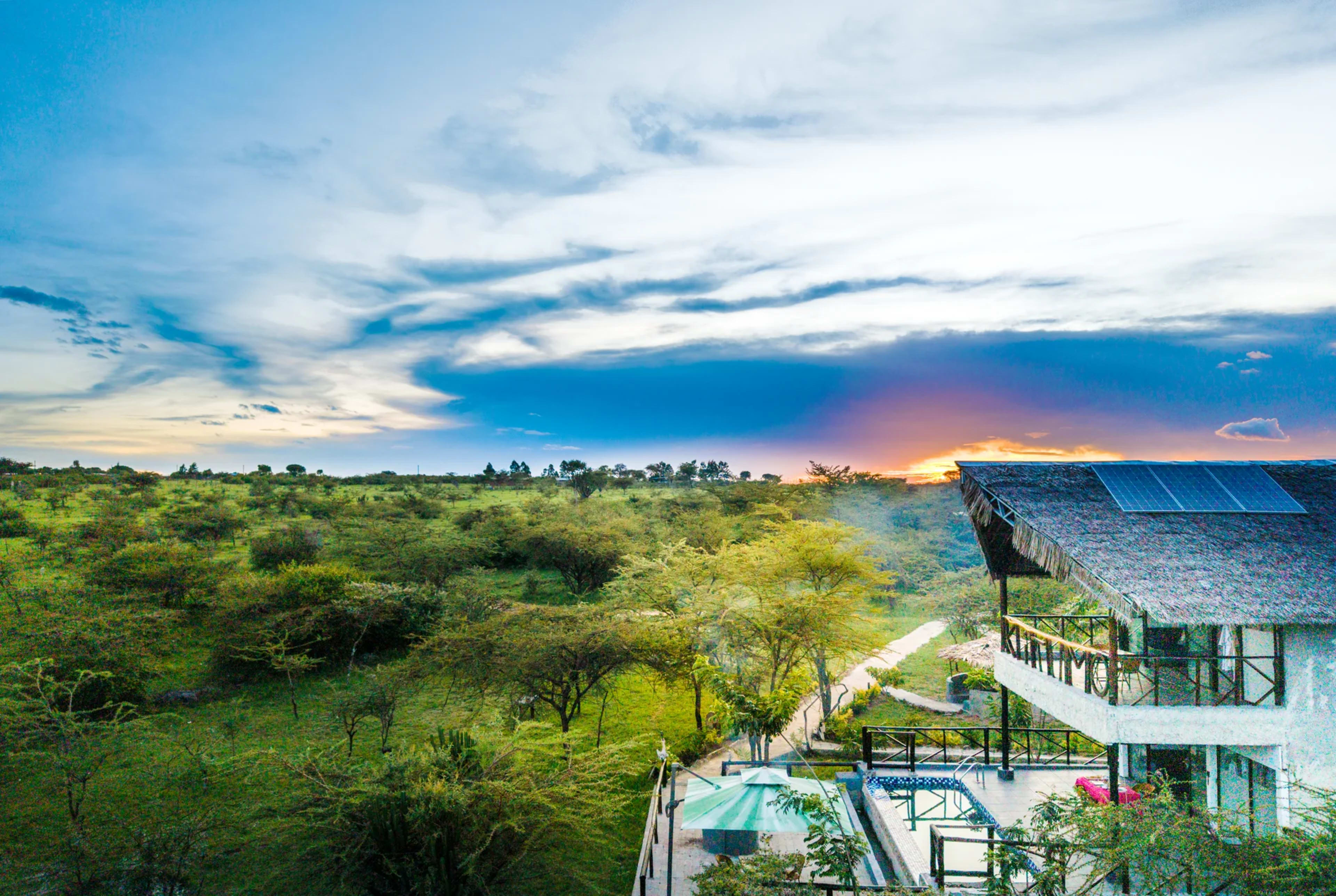
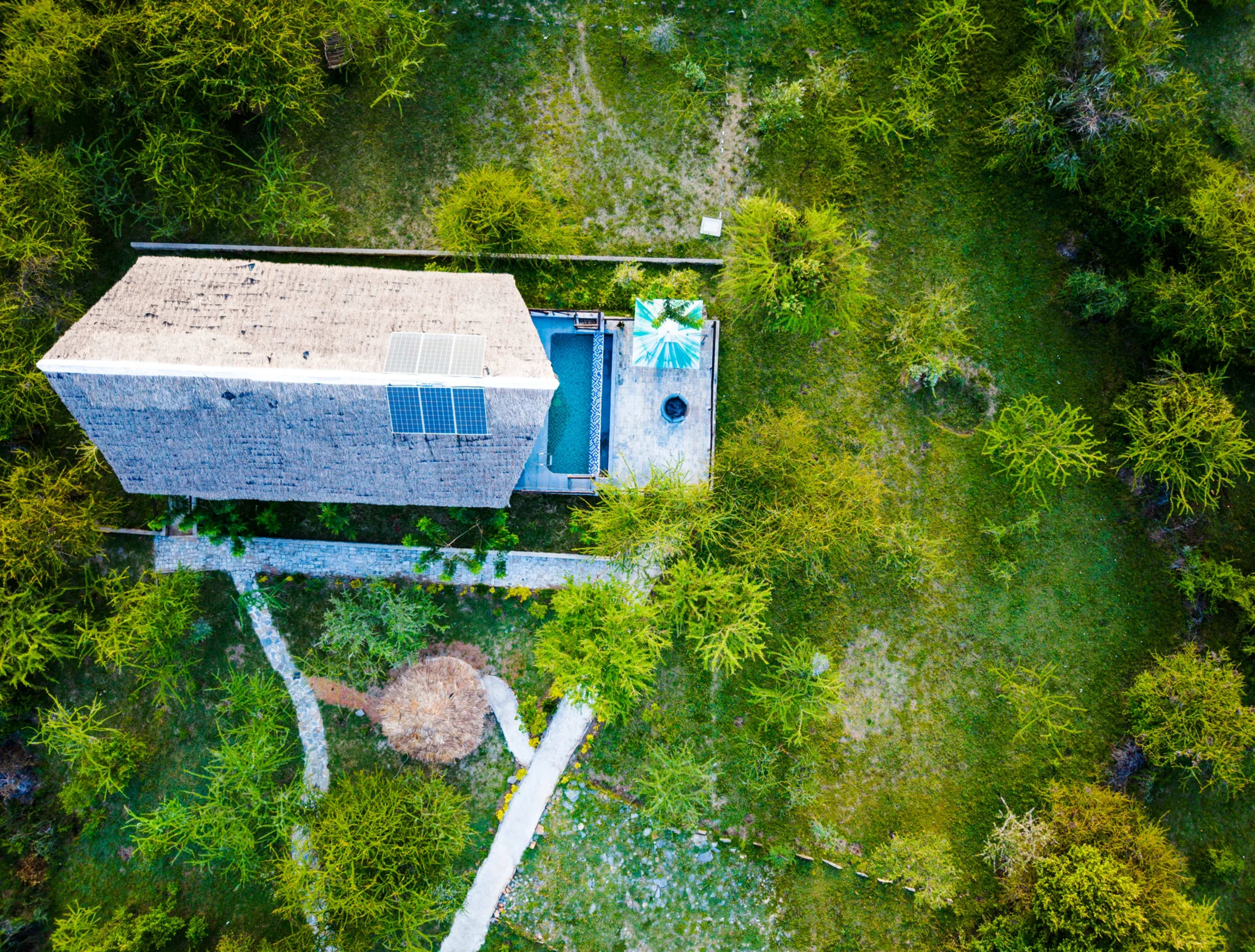
Full disclosure: we are not neutral — we run one. Kitumo Mara sits on the edge of the Nashulai Conservancy, and it is a private villa rather than a lodge or tented camp. That shapes how we safari: one group at a time, a private vehicle with a Maasai guide, and meals around your rhythm instead of a camp timetable. If that style appeals, look at the villa or what a Nashulai conservancy day adds beyond game drives. And if the Serengeti wins your heart instead — honestly, good choice. The herds will carry no grudge.
Frequently Asked Questions
Is Serengeti better than Masai Mara?
Is Masai Mara cheaper than Serengeti?
Can you see the Great Migration in both?
How many days do you need in each?
Ready to Start Planning?
Check Availability at Kitumo MaraRelated Articles
Continue Planning
Experience Maasai Mara Your Way
Our private villa offers an intimate safari experience for up to 6 guests.