Why Jan-March Is the Best Time for Maasai Mara
1. The Weather is Perfect
January and February are typically the driest and hottest months in the Mara. Mornings are crisp and clear, and days are sunny.
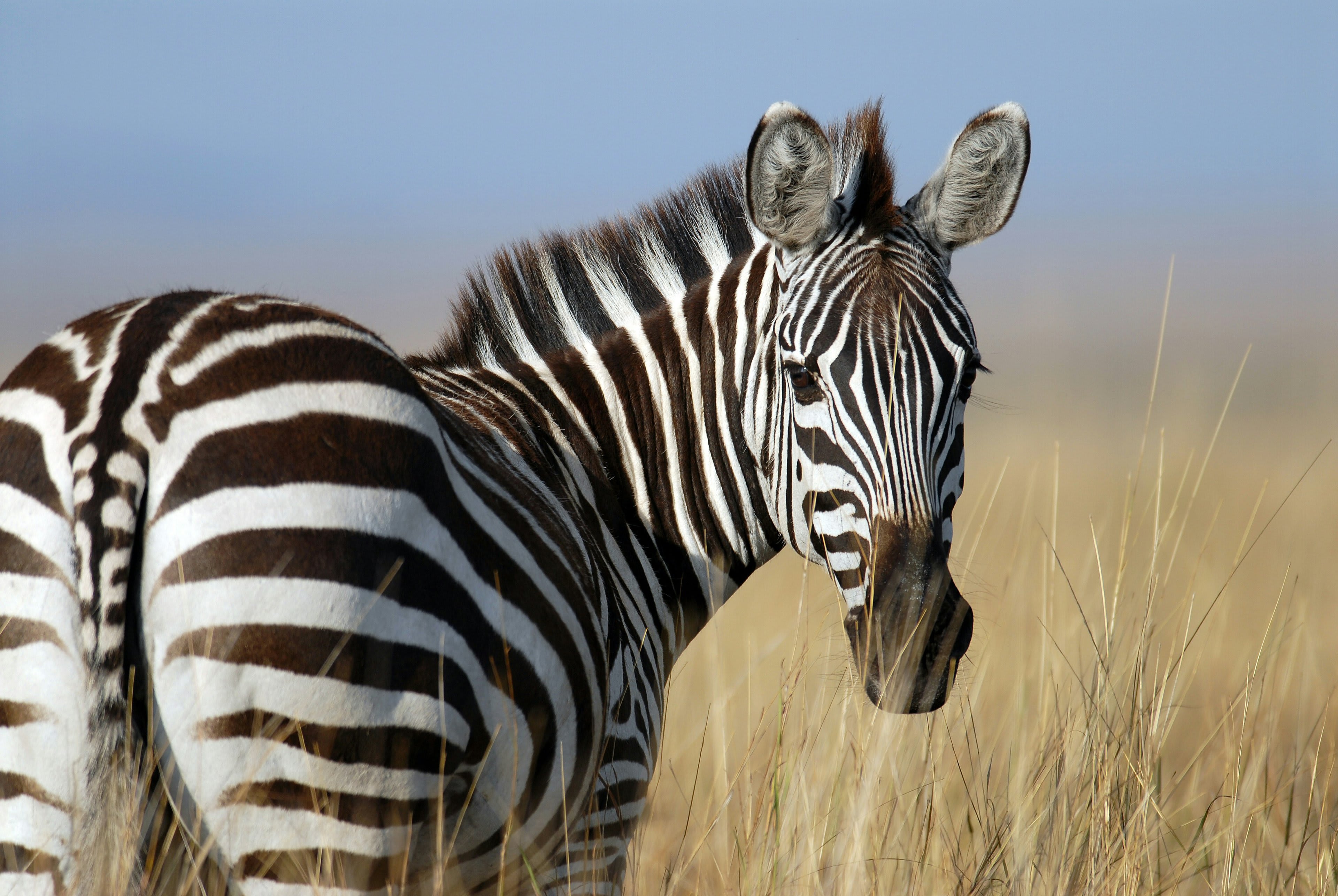
Unlike the cloudy/gray skies of July, you get brilliant blue skies that make for incredible photography.
2. Predator Paradise
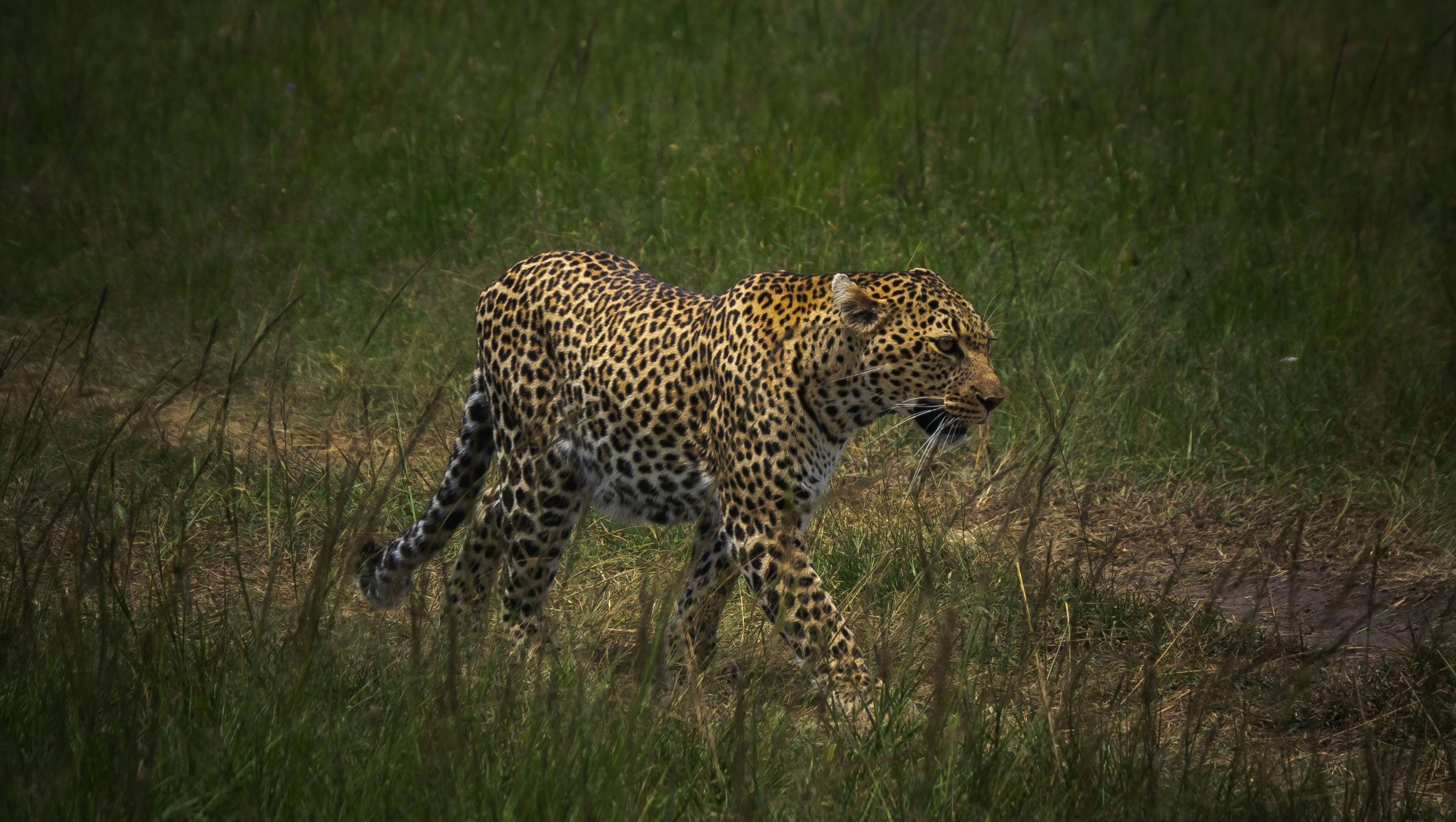
Because the grass is shorter during these dry months, it's much easier to spot cats. Leopards and cheetahs can't hide as easily in the tall grass.
Photographers love this time of year because you get clean shots of predators without grass obscuring their faces.
3. Bird Watching Gold
November to April is when migratory birds from Europe and North Africa settle in the Mara. You'll see colorful species that simply aren't there during the peak season.
4. Combining with the Coast
Jan-March is also the absolute best time to visit the Kenyan coast (Diani Beach). The ocean is calm and clear – perfect for diving and snorkeling.
A classic "Bush and Beach" itinerary works best during these months.
Ready to Start Planning?
Book Your Jan-March Safari NowIs January to March strong enough for a first safari?
January to March is often overlooked because travelers hear so much about July to October. But the Maasai Mara is not empty outside migration season. Resident lions, elephants, giraffes, buffalo, hyena, cheetah, and plains game remain in the ecosystem, and the light can be excellent for photography.
The mistake is assuming the best safari month is the same for every guest. Photographers, families, repeat visitors, and value-focused travelers may prefer the first quarter because it is calmer and often easier to plan.
How this applies at Kitumo Mara
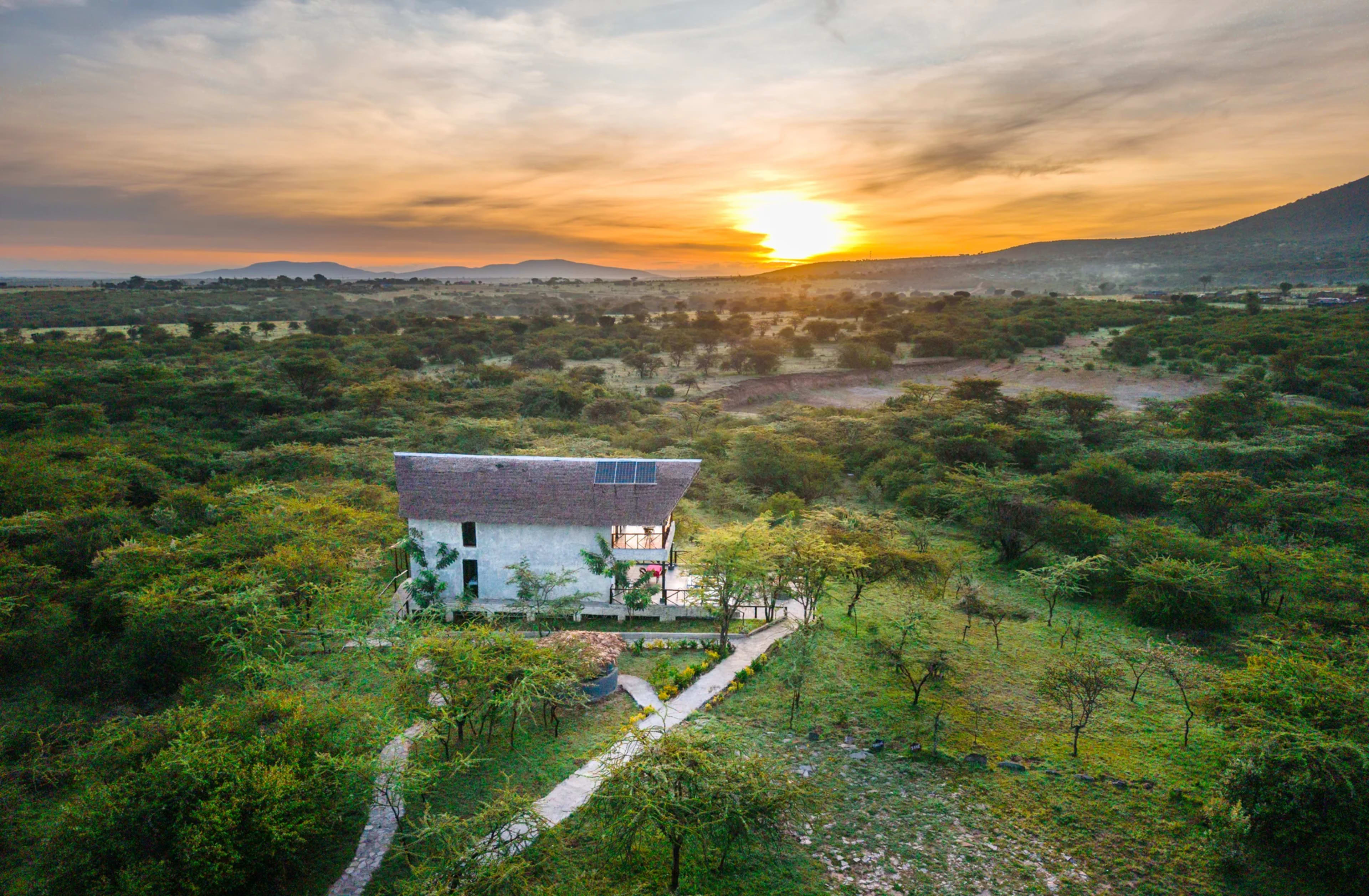
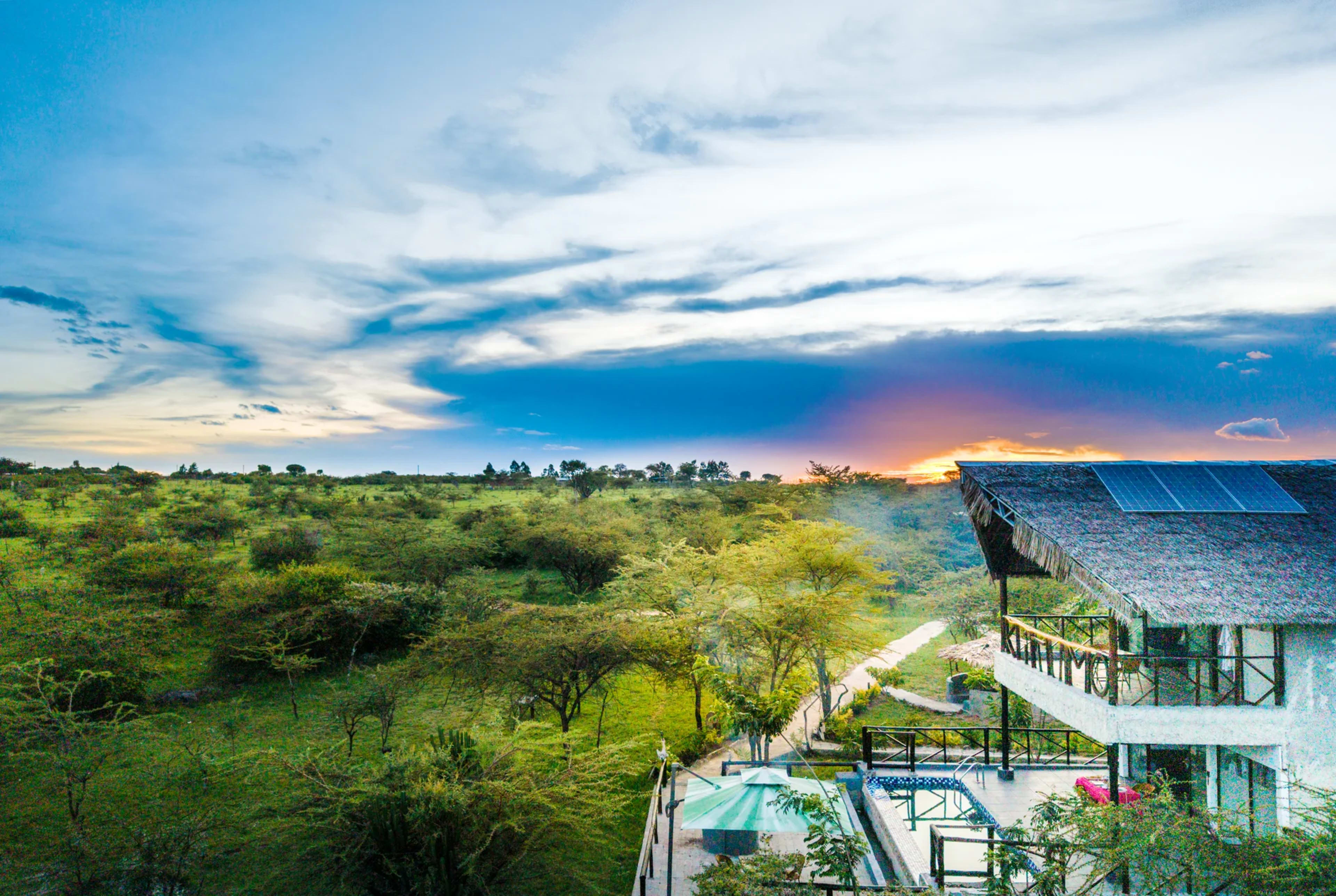
For Kitumo guests, January to March can pair well with private guiding and flexible meal times. You can take a longer morning drive, return for lunch and swimming, then decide whether an afternoon drive makes sense based on sightings and weather.
Before you confirm your dates
Use this topic as part of the full trip decision, not as a standalone detail. A strong Maasai Mara plan connects the season, number of nights, transfer method, park-fee budget, group size, meal needs, and game-drive style. When those pieces are checked together, the quote becomes much easier to understand and there are fewer surprises after arrival.
For most guests, the best next step is to ask for a total-trip view: accommodation, meals, transfers, private vehicle or shared vehicle, park fees, optional activities, and any local payments. That is the only fair way to compare a private villa, a camp, an OTA listing, and a tour-operator package. A lower headline price is useful only if the final experience still matches the safari you actually want.
Questions worth asking any safari property
Before paying a deposit, ask whether the quoted price is per person or for the whole group, whether children are charged differently, how many game drives are included, whether the vehicle is private, and what happens if arrival time makes a day-one drive unrealistic. Also ask whether transfers are priced per person or per vehicle, because that difference matters a lot for couples and small families.
It is also worth asking how close the property is to the reserve gate, whether meals are full board or all inclusive, which drinks are included, how park fees are handled, and whether the same team will help after booking. Clear answers at this stage are a good sign. Vague answers usually mean you will need to keep checking details later.
Planning notes
| Question | Practical answer |
|---|---|
| Best for | Calmer sightings and green landscapes |
| Trade-off | Migration crossings are not in season |
| Booking tip | Ask about recent local sightings, not generic season charts |
Related Articles
Continue Planning
Experience Maasai Mara Your Way
Our private villa offers an intimate safari experience for up to 6 guests.