
Kenya Safari With Kids: What's Recommended (Honest Guide)
Helen Kothari · · 8 分钟阅读Quick answer: yes, with one honest catch
Yes - safaris are child-friendly, and at Kitumo the day runs on your child's schedule, not a group's. The honest part: safari days are LONG. Game drives start at dawn, and on a shared group safari the whole day follows the group's clock - genuinely hard with children.
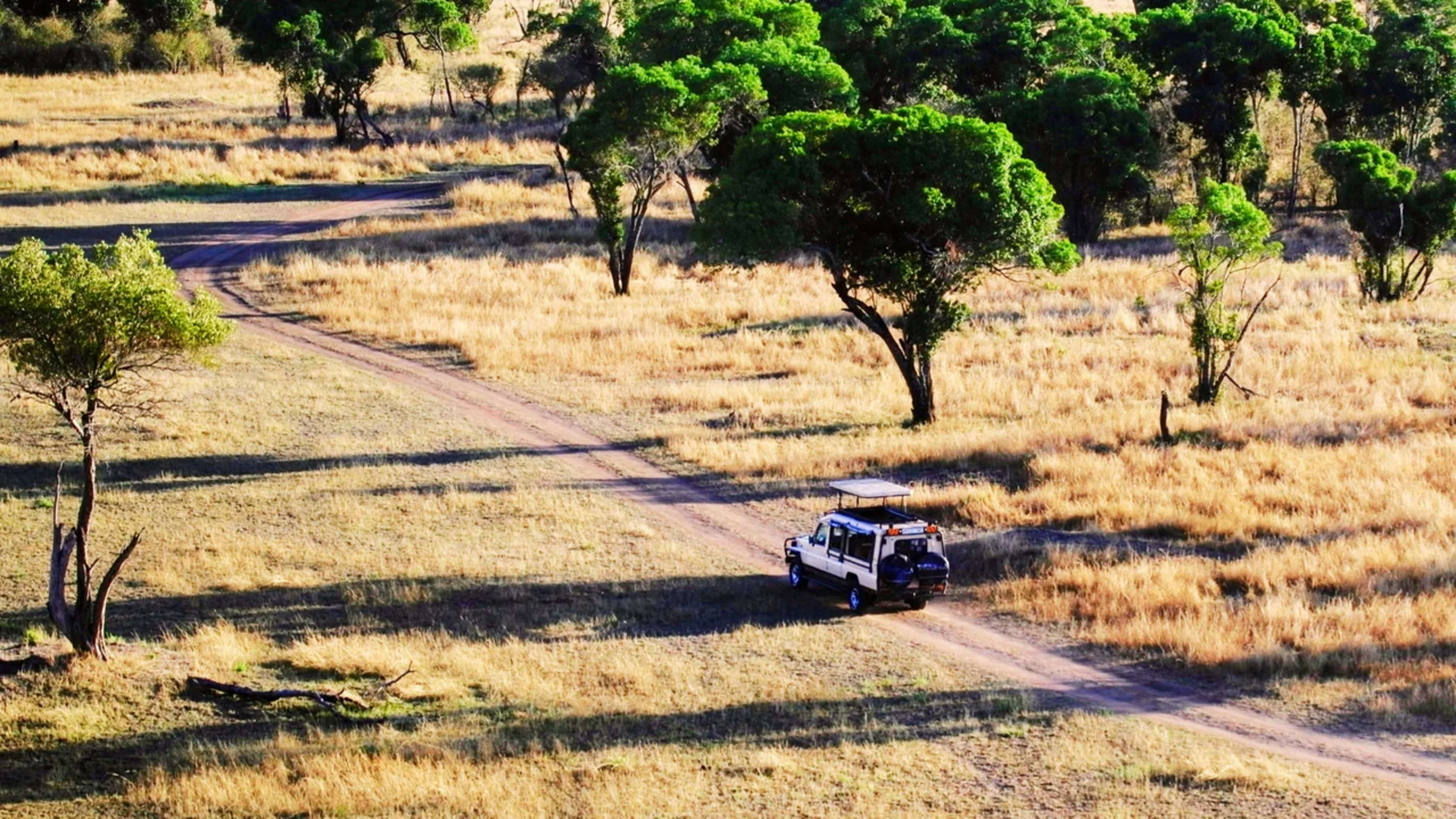
When the entire vehicle is yours, everything changes: leave when you are ready, pause when someone needs a break, head back to the pool early. Nobody else's schedule applies.
One rule to plan around: if you leave the park, you pay to re-enter - so smart family days are shaped as full days inside the reserve. And the question every parent asks first: yes, there are toilets inside the park. Details below, along with ages, food, safety and what to keep in the car.
The long-day reality (and how families beat it)
Here is the honest shape of a safari day: up before sunrise, out as the light comes, a slow midday, a second outing in the afternoon, back by dark. It is a big ask of a 6-year-old - and, honestly, of a 46-year-old too.
The difference is not the kids. It is who owns the clock:
- Shared group safari: the group sets the pace. If most of the vehicle wants the full loop, you are on it - even if your 4-year-old finished at 9:30am.
- Your own vehicle (how Kitumo runs): you decide. Dawn start and back by 11 for the pool. Or a full day with a long lunch. Or turn around mid-drive because someone fell asleep. With kids, half-days are a feature, not a failure.
What actually makes long days work with children is not endurance - it is the midday break. The animals rest through the heat anyway, so a lunch-and-pool pause costs you very little and buys everyone (parents included) a second wind for the afternoon.
Private vehicle vs shared group: the difference parents feel
Most “is my kid too young for safari” questions are really “is my kid too young for a SHARED safari”. The vehicle decides it:
Who owns the day?
| The moment | Shared group safari | Your own vehicle |
|---|---|---|
| Who sets the schedule | The group - majority rules | You do |
| Kid melts down mid-drive | Apologise to strangers | Turn around. No audience |
| Best sighting lands at nap time | Someone misses out | Shift the nap - it is your call |
| Everyone is tired by 2pm | The loop continues | The loop ends. Pool time |
| Toilet stop needed now | Wait for the group consensus | You head for the airstrip or gates |
Toilets inside the park: yes, really
The question every parent asks us first - and the answer surprises people: yes, there are toilets inside the Masai Mara, in several places. We know because we have used them: there are toilets right at the airstrip inside the reserve, and our team walks guests there regularly. (First-hand, last verified September 2026.)
Where you will find them:
- The airstrip inside the reserve - first-hand, our regular stop
- The main entry gates - Sekenani and Musiara have permanent washroom buildings
- Official picnic sites and popular river-crossing points
- Camps on full-day routes - many full-day drives are built around a lunch stop somewhere with real plumbing
What there is not: public toilets along the game-drive tracks themselves. Time your breaks around the airstrip, gates and picnic sites and there is no need to plan the day around a toilet panic.
Quality varies - some are recently built and clean, some are basic, and toilet paper is never guaranteed. Pack tissues and hand sanitiser; the full vehicle kit is in our family safari packing list.
The re-entry fee rule (plan your day around it)
This is the one catch that should shape your itinerary: park entry is valid for that day. If you drive out of the park, going back in means paying the park fee again - per person, kids included. (Rule last verified September 2026; the fees themselves change by season - current figures live in our park fees guide.)
With children, the smart structure is a full day inside with a proper lunch stop, not an in-and-out day: enter at dawn, long lunch at a picnic site or partner camp, slow afternoon loop, out at dusk. You pay once, and nobody spends two extra hours bouncing down the road twice a day.
Comparing a stay outside the reserve? Do that maths before assuming it is cheaper - re-entry fees for a family can quietly eat the difference.
What is recommended at each age
We host everyone from 8-month-olds to grandparents, so this is our front-desk answer, not a brochure one:
Age-by-age: the honest version
| Age | The honest reality | What we recommend |
|---|---|---|
| 0-3 | Fully possible - naps, shade and privacy decide everything | Welcome at Kitumo, any age. With the villa and the vehicle both yours, nap detours are easy. Our safari-with-baby guide (below) covers the logistics |
| 4-7 | The magical age - big reactions, shorter attention | Shorter drives with proper breaks. Kid binoculars and snacks do heavy lifting |
| 8-12 | The sweet spot for most families - real stamina for game viewing | Full days work, with a real lunch stop inside the park. Matches the industry-wide view that roughly 6-12 is the golden window |
| 13+ | Adult-length days, deeper interests - photography, birds, stories | Full days plus the extras - bush dinners, Maasai village visits, sundowners - all included in a Kitumo stay |
Meals, snacks and picky eaters
Food is the easy part when it is planned:
- At the villa: all meals are included in a Kitumo stay, and a private kitchen means picky eaters get real food. Pasta at 6pm for the under-8s? Fine.
- On full-drive days: the lunch stop is built into the plan - packed breakfasts and lunches or a proper sit-down stop, not an improvisation.
- In the car: familiar snacks from home prevent most back-seat mutiny. Bring a little extra to share - your driver-guide has been up since before you have.
Tell us what your children actually eat before you arrive. It is the single easiest thing to get right.
Safety, sun and the honest risks
The short version: the Mara is a managed, safe reserve, and the real parenting risks are mundane - sun, cold mornings, long bumpy roads - not lions. Hats, sunscreen and a warm fleece for the 6am start solve most of it.
- Animals: stay in the vehicle and follow your guide. That is the whole rule, and kids get it fast.
- Malaria: the Mara sits at ~1,600m where mosquitoes are less active than on the coast, but it is still a malaria zone. The full, honest picture - including what most guests decide about tablets - is in our Masai Mara safety and malaria guide.
And the honest wildlife caveat: animals are not on a schedule. Some days the cats keep their distance - that is wildlife, not a broken promise. Our Maasai guides and spotters read the territories and recent movements every day, so guests see far more than visitors find on their own.
How the day actually bends at Kitumo
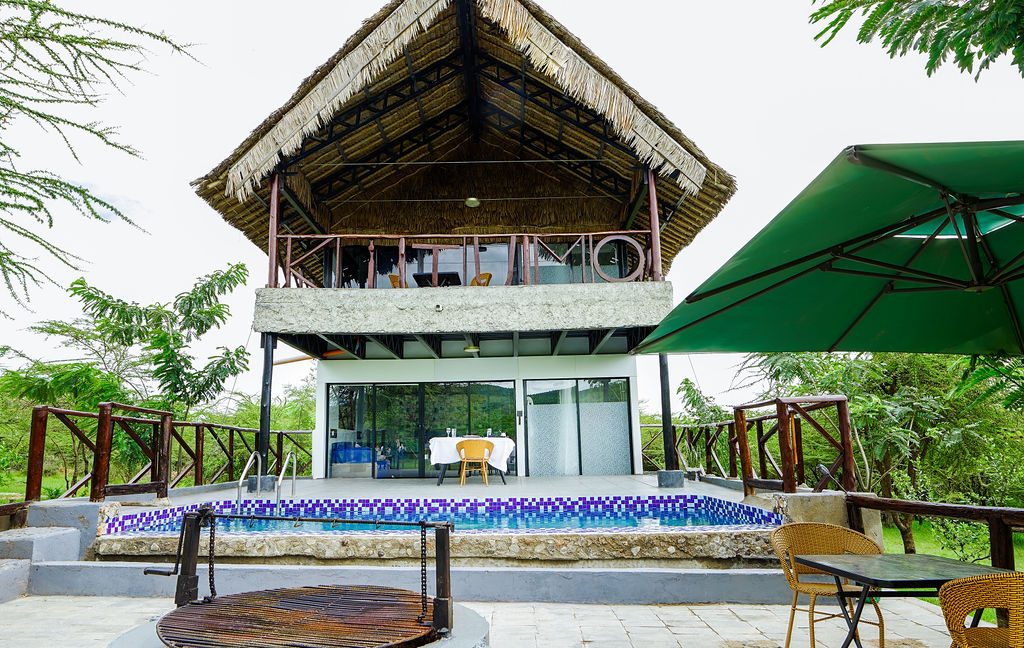
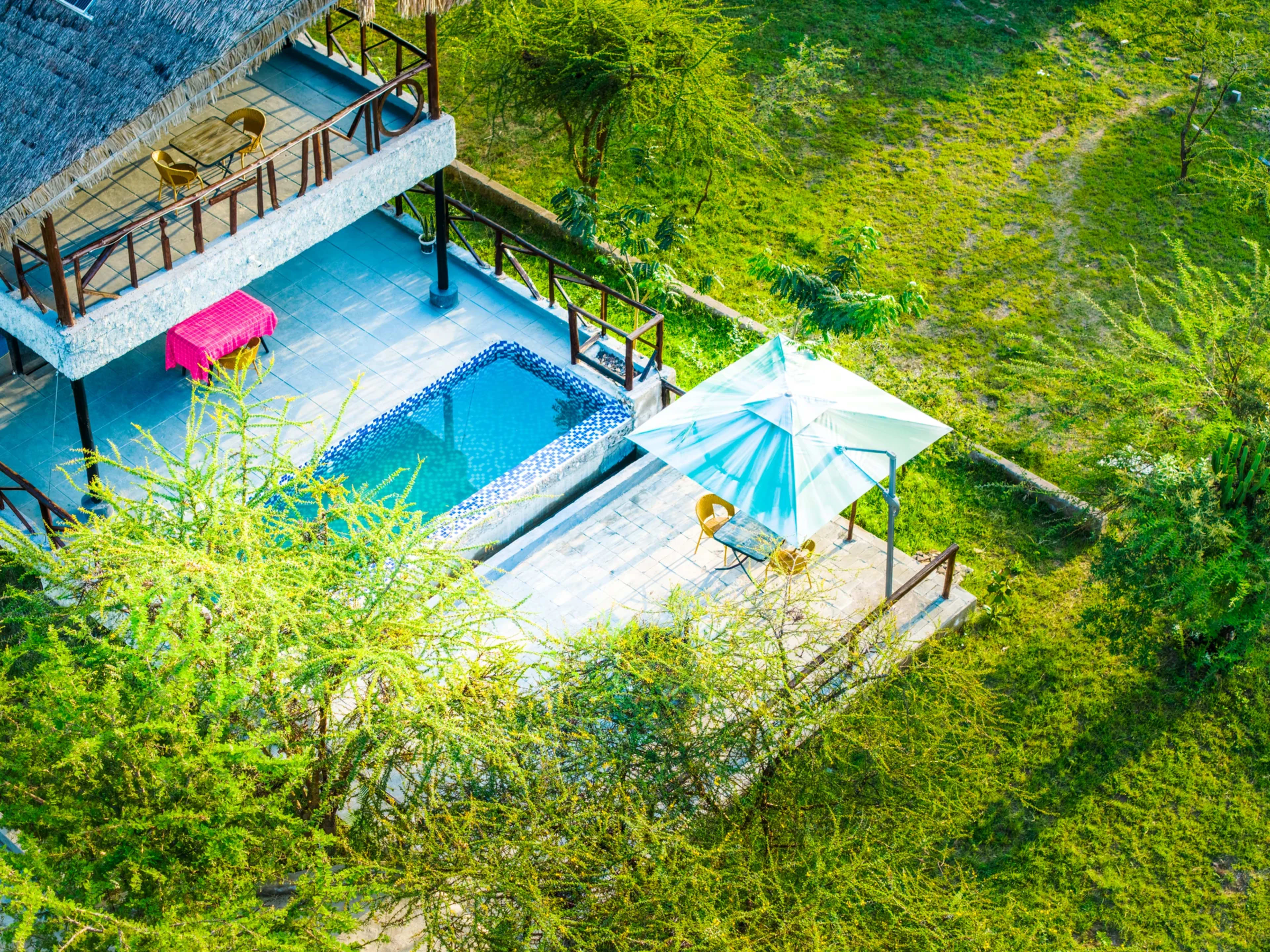
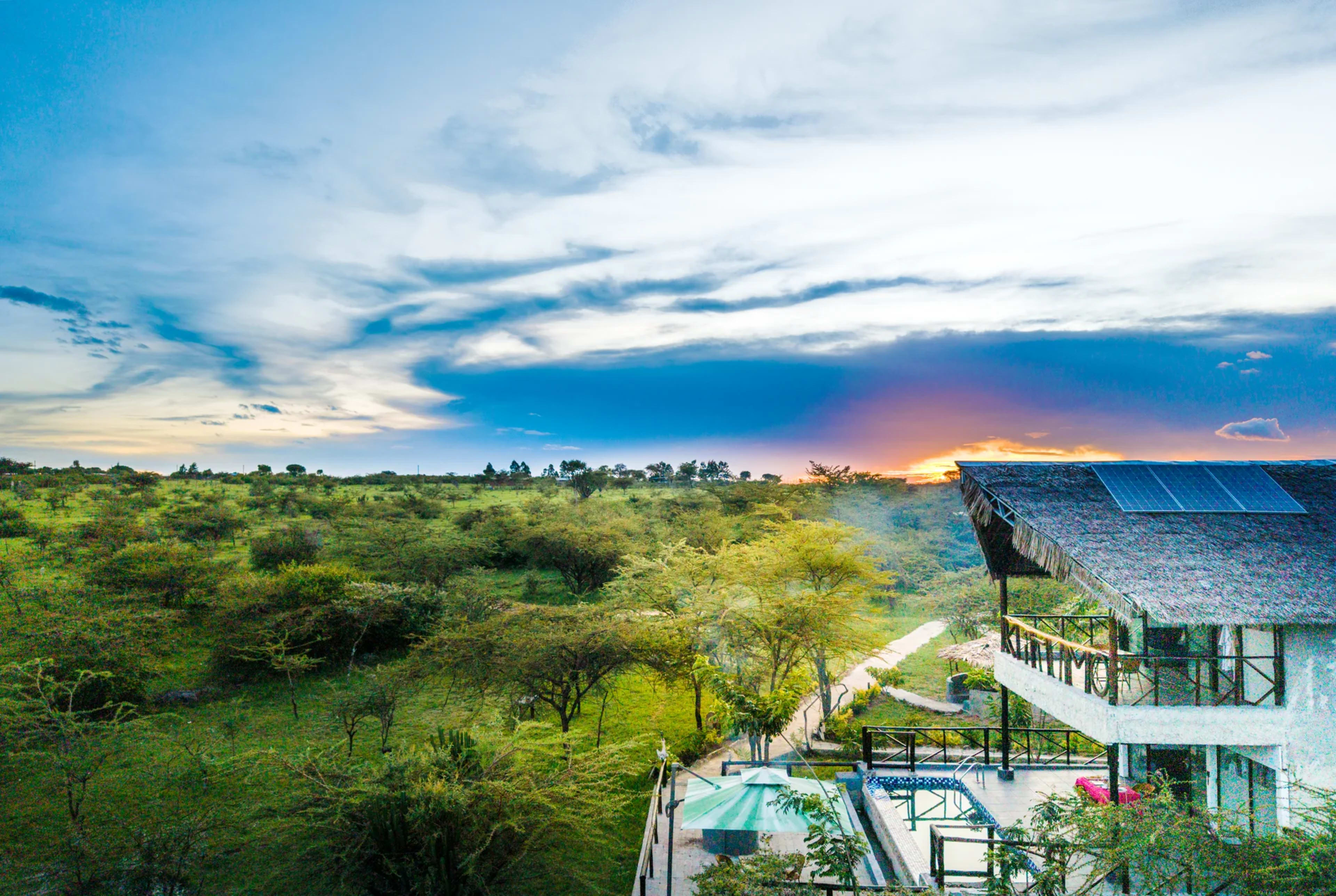
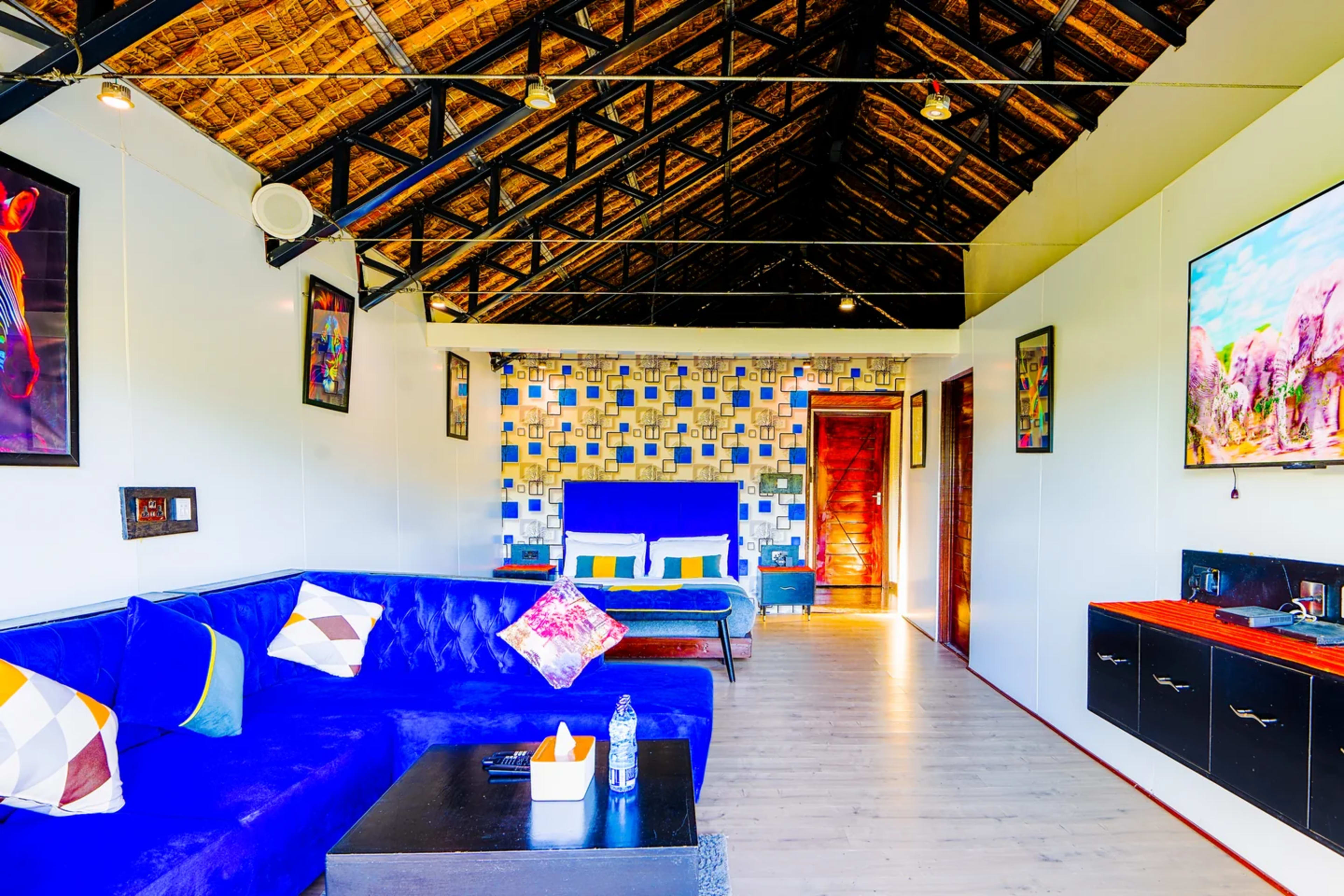
The point of a private villa is not luxury for its own sake - it is ownership: of the vehicle, the house, and the schedule. Your family sets the pace. When the youngest needs a nap, the nap wins. When the teenagers want one more river loop, they get it.
Worth knowing for the family budget: bush dinners, Maasai village visits, sundowners, nature walks and extra game drives are included in a Kitumo stay - many properties charge $50+ per person for exactly these, which quietly doubles the cost of a family week.
- See the house: Kitumo Mara private villa
- Planning a family trip: family safari at Kitumo
- Honest pricing: rates and packages
- Ask us anything first: contact
Frequently Asked Questions
准备好开始计划了吗?
Plan Your Family Safari相关文章
以您的方式体验马赛马拉
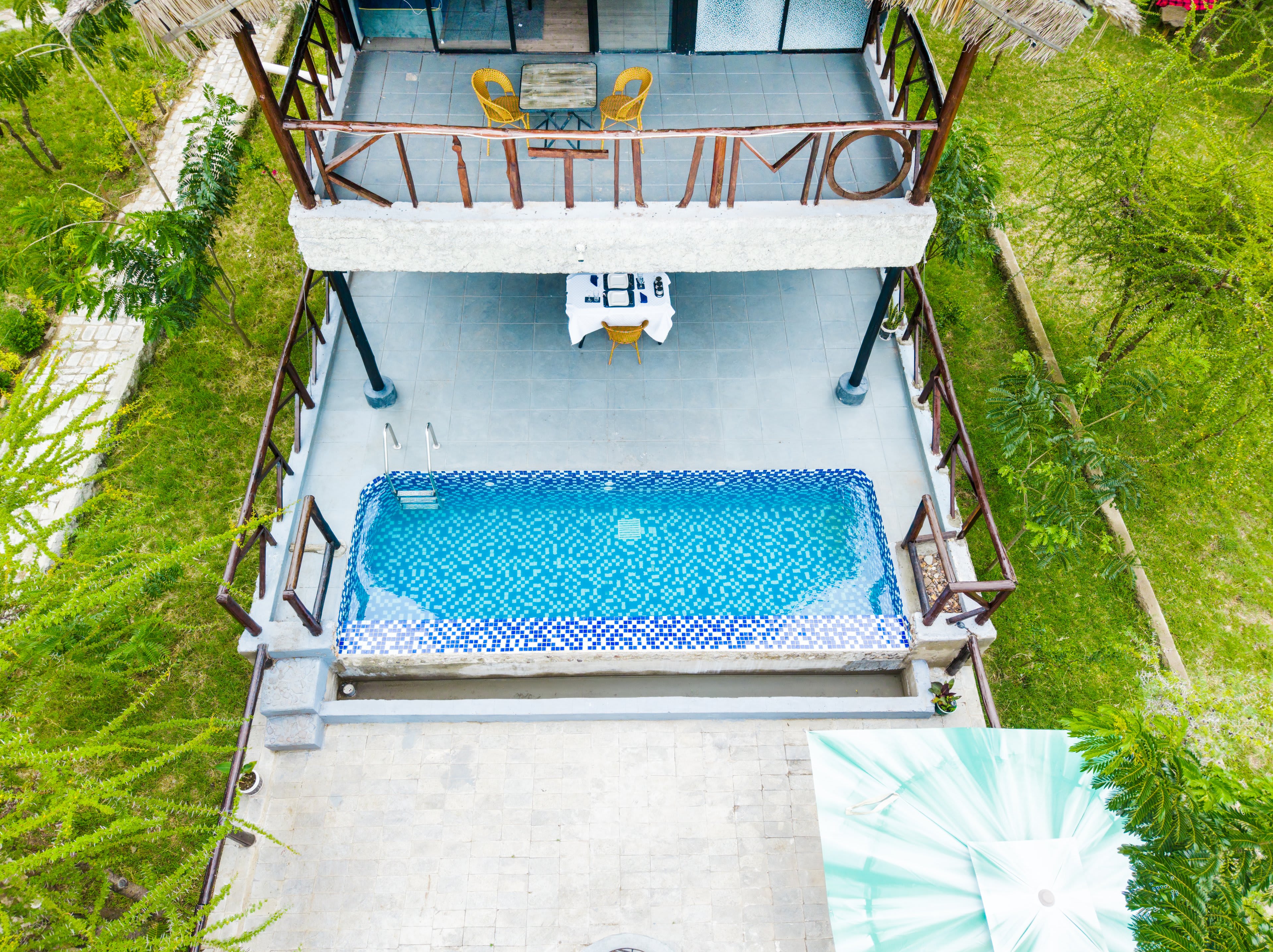
我们的私人别墅最多可容纳 6 名客人,为您提供私密的游猎体验。